Least Bittern
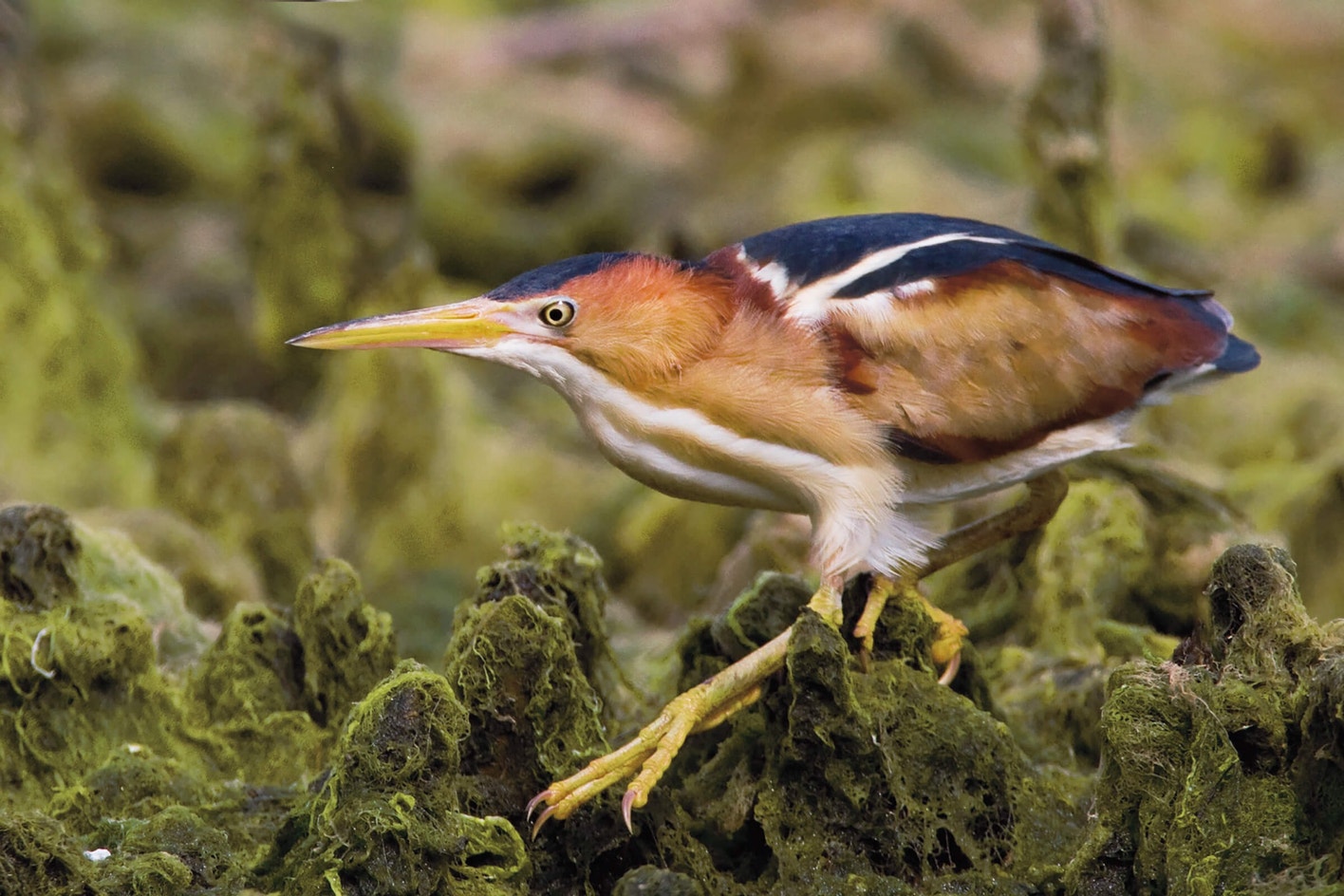









Least Bittern
At a Glance
All bird guide text and rangemaps adapted from Lives of North American Birds by Kenn Kaufman© 1996, used by permission of Houghton Mifflin Harcourt Publishing Company. All rights reserved.
Category
Herons, Egrets, Bitterns
IUCN Status
Least Concern
Habitat
Coasts and Shorelines, Freshwater Wetlands, Lakes, Ponds, and Rivers, Saltwater Wetlands
Region
California, Eastern Canada, Florida, Great Lakes, Mid Atlantic, New England, Northwest, Plains, Rocky Mountains, Southeast, Southwest, Texas, Western Canada
Behavior
Direct Flight, Flushes
Range & Identification
Migration & Range Maps
Description
Size
About the size of a Crow, About the size of a Robin
Color
Black, Brown, Tan, White, Yellow
Wing Shape
Broad, Pointed, Short
Tail Shape
Short
Songs and Calls
Call Pattern
Flat, Simple
Call Type
Hoot, Scream
Sign up for Audubon's newsletter to learn more about birds like the Least Bittern
Conservation
Climate Threats Facing the Least Bittern
Choose a temperature scenario below to see which threats will affect this species as warming increases. The same climate change-driven threats that put birds at risk will affect other wildlife and people, too.
