
A Season of Fledglings: Wins for Texas Coastal Birds
Habitat work, careful monitoring, and strong partnerships make a difference.

Photography by
Alexis Baldera
Senior Manager, Coastal Program
Published November 19, 2026
This article is from Audubon Texas
. Find Audubon near you here.
As the year closes, we look back at our wins for coastal birds in Texas and the work behind them.
Audubon Texas leases or owns 175 islands across the Texas coast that support 26 species of colonial waterbirds during nesting season. Protecting them takes work at every scale.
It Starts with Habitat. This year, we advanced plans with the Texas General Land Office for a rock revetment and breakwater to protect Chester Island from erosion. Audubon Texas is also working with Birds Houston and Ducks Unlimited on repairs to a damaged rock groin at North Deer Island. Through a RESTORE Council project, we’re excited to begin restoring Gulf Cut Islands in East Matagorda Bay.
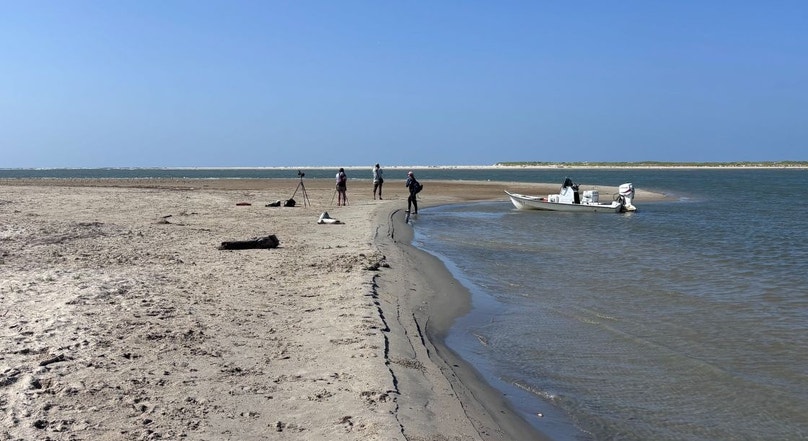
It Continues with Careful Monitoring. The coastal team surveyed 10 beach-nesting bird sites around the central Texas coast, as well as colonial waterbird islands in Galveston, Matagorda, and the Lower Laguna Madre. Least Terns, Wilson’s Plovers, and Black Skimmers all fledged chicks at beach-nesting sites we stewarded this season, including at least 150 skimmer fledglings from one colony of around 200 pairs. With Gulf Coast Bird Observatory, we banded skimmer chicks and took blood samples to test for contaminants. The team also worked with a volunteer to use drones for more accurate nesting counts and to develop artificial intelligence tools that reduce photo analysis time.
Not every colony made it, though. A skimmer colony on Chester Island vanished in July for reasons we couldn’t determine. Those are the questions we hope long-term monitoring will help answer.
It Depends on Partners and Neighbors. New support from the Matagorda Bay Mitigation Trust brought two seasonal technicians to our team. With this expanded team, we monitored more sites, showed up at more festivals and events, and reached more people with Audubon's Share the Shore message.
Thank you for joining Audubon as we steward and track coastal birds. We hope to continue growing our impact on coastal nesting sites next year.
