Native Plants

Pink Azalea

Rhododendron periclymenoides
Location

Native to

23418 Change
Type
Shrubs
Attributes
Butterflies, Caterpillars, Nectar

Also called Pinxterbloom Azalea and Pinxterflower, this perennial, deciduous shrub grows 6 to 12 feet in height, with picturesque, horizontal branching. It produces large clusters of funnel-shaped, pink or white flowers appearing before or with the leaves. Pink Azalea grows best in partial shade, and in a variety of well-drained soils. The smooth, medium-green foliage turns dull yellow in the fall, and the tubular shape of the flowers is a good indicator that this plant attracts hummingbirds and butterflies. Pink Azalea should not be ingested as all parts, including honey made from the flowers, are toxic to humans and other animals.

May Attract

Pink Azalea is thought to attract these families of birds
Family
Cardinals, Grosbeaks and Buntings
Family
Chickadees and Titmice
Family
Crows, Magpies, Jays
Family
Hummingbirds
Family
Mockingbirds and Thrashers
Family
Nuthatches
Adult singing.
Family
Blackbirds and Orioles
Family
New World Sparrows
Family
Thrushes
Family
Vireos
Family
Waxwings
Family
Wood Warblers
Family
Woodpeckers
Family
Wrens

Local & Regional Resources

Local and regional native plant societies, databases, and other resources may have expertise on exactly what plants are best for your particular area and climate.

Virginia Native Plant Society

400 Blandy Farm Lane; Unit 2; Rt.2; Box 214, Boyce, VA 22620

My Saved Plants: 0

More native plants for your area

Showing 91 results
 
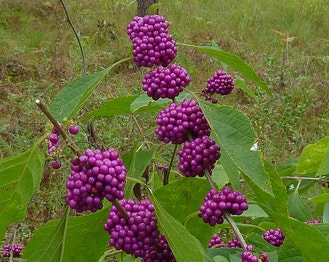
American Beauty-Berry

SHRUBS

American Beauty-Berry

Callicarpa americana

Nuthatches
Crows & Jays
Wrens
+10

May attract

Nuthatches
Crows & Jays
Wrens
Thrushes
Waxwings

Provides

Butterflies

Caterpillars

Fruit

 
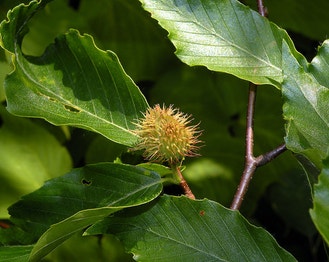
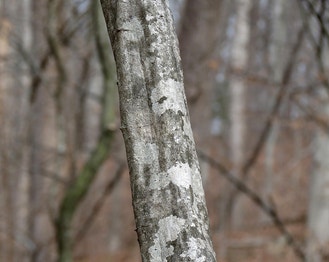
American Beech

TREES

American Beech

Fagus grandifolia

Nuthatches
Mockingbirds & Thrashers
Crows & Jays
+11

May attract

Nuthatches
Mockingbirds & Thrashers
Crows & Jays
Wood Warblers
Finches

Provides

Butterflies

Caterpillars

Fruit

Nuts

 
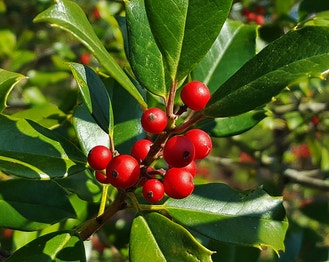
American Holly

EVERGREEN / SHRUBS / TREES

American Holly

Ilex opaca

Wood Warblers
Wrens
Thrushes
+10

May attract

Wood Warblers
Wrens
Thrushes
Nuthatches
Crows & Jays

Provides

Butterflies

Caterpillars

Fruit

 
American Hornbeam

TREES

American Hornbeam

Carpinus caroliniana

Thrushes
Orioles
Wrens
+11

May attract

Thrushes
Orioles
Wrens
Cardinals & Grosbeaks
Chickadees & Titmice

Provides

Butterflies

Caterpillars

Fruit

Nuts

 
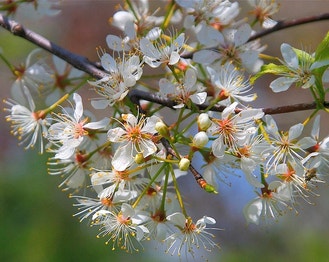
American Plum

SHRUBS / TREES

American Plum

Prunus americana

Wood Warblers
Waxwings
Crows & Jays
+10

May attract

Wood Warblers
Waxwings
Crows & Jays
Wrens
Woodpeckers

Provides

Butterflies

Caterpillars

Fruit

 
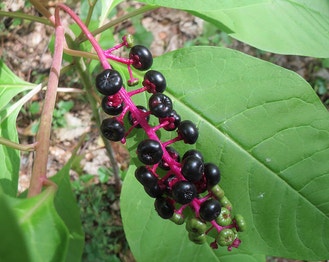
American Pokeweed

ANNUALS/PER.

American Pokeweed

Phytolacca americana

Orioles
Crows & Jays
Thrushes
+7

May attract

Orioles
Crows & Jays
Thrushes
Chickadees & Titmice
Woodpeckers

Provides

Fruit

Nuts

 
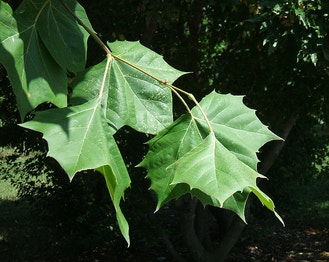
American Sycamore

TREES

American Sycamore

Platanus occidentalis

Vireos
Thrushes
Wrens
+11

May attract

Vireos
Thrushes
Wrens
Woodpeckers
Wood Warblers

Provides

Butterflies

Caterpillars

Fruit

Nuts

 
American Witch-Hazel

SHRUBS / TREES

American Witch-Hazel

Hamamelis virginiana

Orioles
Nuthatches
Waxwings
+11

May attract

Orioles
Nuthatches
Waxwings
Wood Warblers
Vireos

Provides

Butterflies

Caterpillars

Fruit

Nuts

 
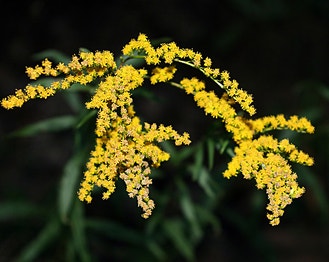
Anise-Scented Goldenrod

ANNUALS/PER.

Anise-Scented Goldenrod

Solidago odora

Chickadees & Titmice
Wood Warblers
Vireos
+11

May attract

Chickadees & Titmice
Wood Warblers
Vireos
Crows & Jays
Sparrows

Provides

Butterflies

Caterpillars

Fruit

Nuts

 
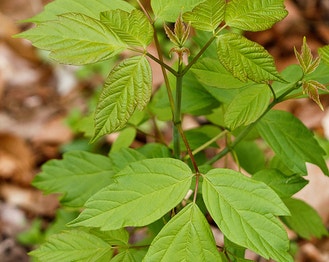
Ash-Leaf Maple

TREES

Ash-Leaf Maple

Acer negundo

Wood Warblers
Thrushes
Chickadees & Titmice
+11

May attract

Wood Warblers
Thrushes
Chickadees & Titmice
Cardinals & Grosbeaks
Sparrows

Provides

Butterflies

Caterpillars

Fruit

Nuts

My Saved Plants: 0

Learn more about
Native Plants
Native plants help support our birds throughout the year.
Visit Page
Ruby-throated Hummingbird at a butterflyweed. Photo: Dave Maslowski
Visit Page