

Old Salt Co-op Cattle Ranches Earn Audubon Bird-Friendly Land Certification
J Bar L Ranch, LF Ranch, Mannix Ranch, and Sieben Live Stock Company manage their herds to help Montana's grassland birds
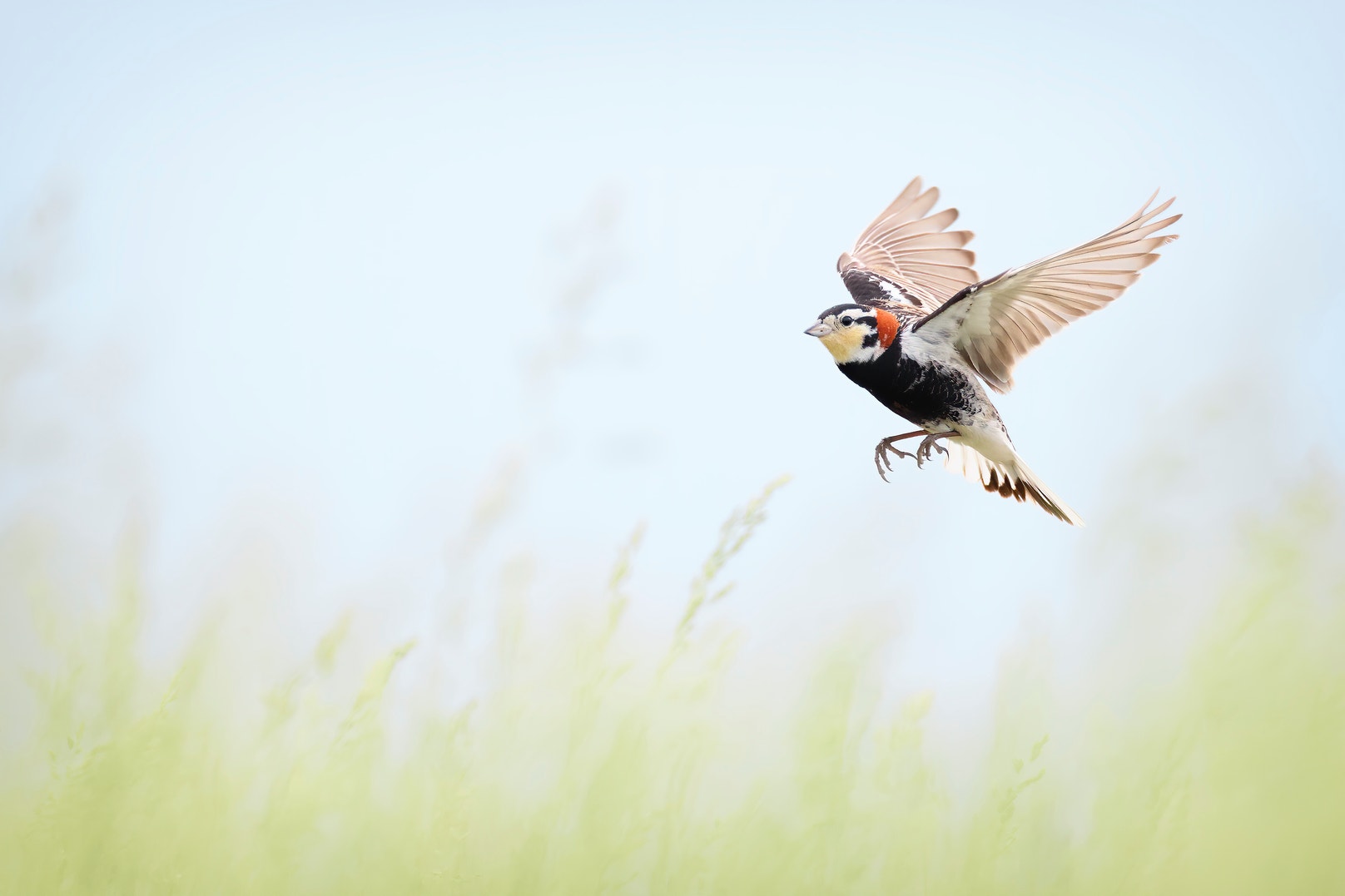
Helena, Mont. (June 16, 2026) — Old Salt Co-op’s four partner cattle ranches—J Bar L Ranch, LF Ranch, Mannix Ranch, and Sieben Live Stock Company—are the newest ranches to achieve the National Audubon Society’s Bird-Friendly Land Certification. Secured through the Audubon Conservation Ranching program, the certification acknowledges that the producers manage their acreage to support birds, biodiversity, and working landscapes.
Audubon Conservation Ranching is a science-based certification program designed to protect bird habitat and support profitable, resilient ranches. Since 1970, grassland bird species have experienced the steepest population decline among all terrestrial biomes. Today, nearly 4.5 million acres and over 150 ranches are recognized as bird-friendly. The certification seal on promotion and product packaging is found in more than 2,000 retail locations, carrying the story of conservation to consumers.
In Montana, a total of 516,980 acres spread across 28 ranches are Audubon Certified Bird-Friendly Land, now including Old Salt’s partners. Founded in 2021, the Helena-based co-op raises, processes, and sells its own meat, and aims to invest its earnings back into the land, ecosystem, and community. Old Salt’s four beef producers (and one hog ranch) have partial ownership in the meat brand, processing operation, restaurants, and events, including the Audubon-sponsored Old Salt Festival, to be held this June 19 to 21 near Helmville.
“More heartbeats per acre is our goal,” said Cole Mannix, President and Co-founder of Old Salt. “We care about all the wildlife that call a place home. To be able to work with Audubon—an organization that understands birds and their habitats to a level that we don't—will only help us get better over time."
To earn the certification, the four ranches meet strict standards for habitat management, environmental sustainability, and animal welfare, all verified through third-party audits. Bird-friendly management methods, such as pasture rest and rotation, enrich grassland habitat that supports priority species like the Grasshopper Sparrow, Chestnut-collared Longspur, Bobolink, Mountain Plover, and Lark Bunting.
"Old Salt ranches meet all of the standards for bird-friendly certification,” said Christian Meny, Director of Conservation for Montana Audubon. “But what makes them truly unique is that they build lasting relationships with the land, cattle, and wildlife; a multi-generational ranching community; and their local and regional customers.”
Founded in 1882, Mannix Ranch is one of Old Salt’s partners in the Blackfoot Valley. When possible, the ranch uses short-duration, intensive grazing of three days or less to allow plants to regrow. This method establishes a mix of short grass, tall cover, and diverse forbs within pastures—important foraging and nesting habitat for grassland birds.
“Our ranch cares deeply about conservation—that the land stays intact and can support wildlife and a healthy ecosystem,” said Logan Mannix, a member of the fifth-generation, family-run Mannix Ranch. “Audubon’s certification is a good fit for us because it focuses more broadly on ecosystem health and wildlife habitat rather than specific inputs.”
LF Ranch, based in Augusta, prioritizes ground cover, species diversity, and robust grass growth in its management practices. The ranch recently introduced more yearling cattle into its herds in part to improve grass utilization and the long-term health of the range.
“Bird-friendly ranching follows sound ecological practices,” said Andrew Bardwell, General Manager of LF Ranch. “If we get our grazing right, cow performance follows, and everything else on the ranch thrives: plants, animals, and birds.”
Headquartered in Adel and founded in 1868, Sieben Live Stock Company implements strategic rest during the growing season to protect its pastures across Cascade County. Early in his career, Cooper Hibbard, Sieben Live Stock’s President and COO, bunked with Audubon biologists at a ranch in Mexico and learned how bird surveys can reveal the overall health of an ecosystem and habitat.
“I’ve been a believer ever since,” Hibbard said. “A healthy, thriving bird population is indicative that we are achieving our mission of creating as much life as possible through our grazing management and overall approach to stewardship.”
Based near Melville, J Bar L Ranch also follows bird-friendly management practices, such as high-impact, short-duration grazing and rest periods for fragile pastures. Opened in 2000, the ranch now helps Old Salt toward its goal to nourish all members of the meat production process, from the land stewards to the food workers in the marketplace.
“We take an earth-first approach to managing our land, the livestock, and the business,” said Andrew Anderson, Ranch Co-Manager for J Bar L. “We’re trying to promote a set of conditions that are resilient, both ecologically and financially, to protect the landscape and keep more dollars within the agricultural sector and our communities in Montana.”
Every year this approach is honored at the Old Salt Festival, hosted at Mannix Ranch. Sponsored by several groups including Audubon, the festival celebrates the many shared values between Audubon and Old Salt: healthy grasslands, land stewardship, and viable ranching operations.
“We’ve all grown to accept an extractive system in which agriculture is where we grow food at the expense of all other living things,” said Chris Wilson, Director of Audubon Conservation Ranching. “Old Salt is a model for how we can move toward a truly regenerative system that builds ecological integrity by continually reinvesting in land and local communities.”
For more information about Audubon Conservation Ranching in Montana, please contact Christian Meny at cmeny@MTAudubon.org. For national program information, contact ConservationRanching@Audubon.org.
About Audubon Conservation Ranching
Audubon Conservation Ranching partners with ranchers to sustain healthy grasslands, abundant birdlife, and resilient rural communities. Through our bird-friendly land certification and science-based approach, we empower land stewards to enhance habitat, improve soil health and water quality, and strengthen the connection between conservation and ranching. By purchasing products from Audubon Certified Bird-Friendly Land, consumers become conservationists, helping protect America’s grasslands and the birds, wildlife, and people that depend on them. For more information, visit www.audubon.org/ranching.
