
Also going by the names White Elm, Soft Elm, Water Elm, or Common Elm, this medium to large deciduous tree typically grows 60 to 80 feet tall with a vase-shaped, broad-rounded crown. This handsome tree serves as a larval host for a number of butterfly species, and both its seeds and leaf buds are eaten by birds. It thrives in full sun to partial shade, and in moist, fertile soils. Once a very common American forest and street tree admired for its stately habit, the vast majority of American Elms were devastated by the introduction of Dutch elm disease in the 1930s. Ask your nursery about disease-resistant American Elm varieties.
May Attract
American Elm is thought to attract these families of birds


Audubon Centers, State Offices & Chapters
These Audubon locations near you offer native plant services
In some parts of the country you may not have a "local" Audubon that is able to provide help with native plants for birds, but we will still show you the closest Audubon that can help.
Services
- Education programs & presentations
- Habitat Ambassador volunteer training
- Habitat installation/restoration projects
- Municipal & corporate habitat planning & consultation
- Native plant sales
- Residential habitat improvement consultation
Local Nurseries
Find local nurseries and garden centers near you. It's a good idea to call ahead to verify native plant availability and learn what services they offer.
Mason State Nursery, Illinois Department of Natural Resources
17855 North Country Road, Topeka, IL 61567
(309) 535-2185
Prairie Earth Nursery
RR 1, Box 151, Bradford, IL 61421
(309) 897-9911
Wilson Seed Farms
10872 1400 East Street, Tiskilwa, IL 61368
(815) 878-8572
Online Nurseries
Shop trusted online vendors for your home or wholesale project. Many offer shipping across regions, so check availability and delivery timelines before ordering.
Natural Communities Native Plants
812 North Washington Avenue, Batavia, IL 60510
(331) 248-1016
My Saved Plants: 0
More native plants for your area
Showing 96 results


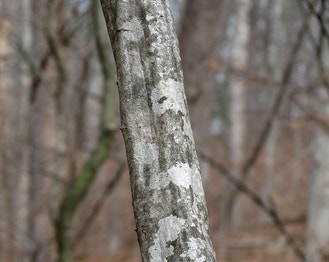

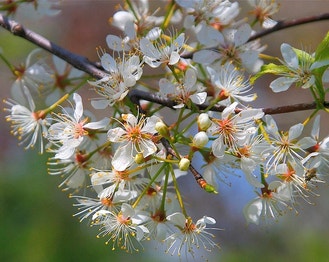

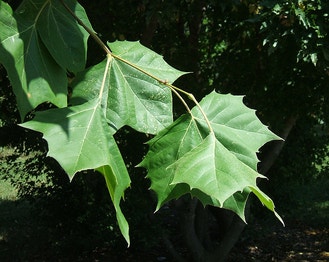

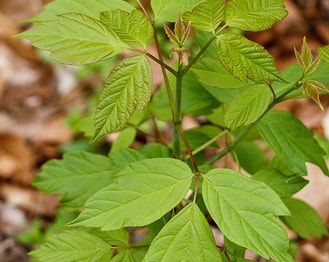

SHRUBS / TREES
Alternate-Leaf Dogwood
Cornus alternifolia
+10
May attract
Woodpeckers
Thrushes
Waxwings
Chickadees & Titmice
Crows & Jays
Provides
Butterflies
Caterpillars
Fruit
TREES
American Basswood
Tilia americana
+11
May attract
Wood Warblers
Cardinals & Grosbeaks
Vireos
Waxwings
Finches
Provides
Butterflies
Caterpillars
Fruit
Nuts
SHRUBS
American Hazelnut
Corylus americana
+11
May attract
Cardinals & Grosbeaks
Sparrows
Waxwings
Woodpeckers
Wood Warblers
Provides
Butterflies
Caterpillars
Fruit
Nuts
Local resources
Your local Audubon offering native plant services is Peoria Audubon Society.
PO Box 3535, Peoria, IL 61612
| audubon@peoriaaudubon.org
| audubon@peoriaaudubon.org
TREES
American Hornbeam
Carpinus caroliniana
+11
May attract
Cardinals & Grosbeaks
Finches
Wood Warblers
Chickadees & Titmice
Waxwings
Provides
Butterflies
Caterpillars
Fruit
Nuts
SHRUBS / TREES
American Plum
Prunus americana
+10
May attract
Waxwings
Orioles
Wood Warblers
Wrens
Mockingbirds & Thrashers
Provides
Butterflies
Caterpillars
Fruit
TREES
American Sycamore
Platanus occidentalis
+11
May attract
Waxwings
Wood Warblers
Vireos
Finches
Mockingbirds & Thrashers
Provides
Butterflies
Caterpillars
Fruit
Nuts
SHRUBS / TREES
American Witch-Hazel
Hamamelis virginiana
+11
May attract
Wood Warblers
Cardinals & Grosbeaks
Finches
Wrens
Vireos
Provides
Butterflies
Caterpillars
Fruit
Nuts
TREES
Ash-Leaf Maple
Acer negundo
+11
May attract
Crows & Jays
Waxwings
Finches
Nuthatches
Orioles
Provides
Butterflies
Caterpillars
Fruit
Nuts


My Saved Plants: 0


So You Have Your List of Native Plants. Now What?
Doing a little prep and research before you go to the nursery will save headaches and ensure you build the best habitat possible.

Why Native Plants Are Better for Birds and People
Bird-friendly landscaping provides food, saves water, and fights climate change.

Bird-Friendly Plants FAQ
Got questions? We have answers.
