
This plant is also known as Button Willow. It is a perennial, deciduous shrub that usually grows 6 to 12 feet tall and has a twisting trunk and crooked branches. Small, white flowers grow to form a distinctive, dense, spherical cluster with protruding pistils, and the fruits are brown and button-like in appearance. This shrub grows in partial to full shade, and in a variety of moist to wet soils including loam, clay, limestone, and sandy soils. The flowers and fruits attract many pollinators and birds.
May Attract
Common Buttonbush is thought to attract these families of birds


Audubon Centers, State Offices & Chapters
These Audubon locations near you offer native plant services
In some parts of the country you may not have a "local" Audubon that is able to provide help with native plants for birds, but we will still show you the closest Audubon that can help.
My Saved Plants: 0
More native plants for your area
Showing 142 results






SHRUBS / TREES
Alternate-Leaf Dogwood
Cornus alternifolia
+10
May attract
Chickadees & Titmice
Mockingbirds & Thrashers
Vireos
Crows & Jays
Nuthatches
Provides
Butterflies
Caterpillars
Fruit
TREES
American Basswood
Tilia americana
+11
May attract
Finches
Sparrows
Nuthatches
Chickadees & Titmice
Crows & Jays
Provides
Butterflies
Caterpillars
Fruit
Nuts
SHRUBS
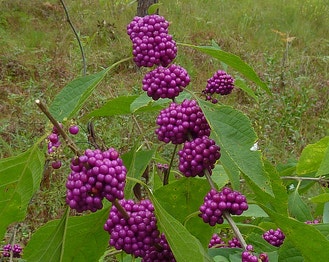
American Beauty-Berry
Callicarpa americana
+10
May attract
Waxwings
Mockingbirds & Thrashers
Crows & Jays
Sparrows
Orioles
Provides
Butterflies
Caterpillars
Fruit
Local resources
Your local Audubon offering native plant services is Alabama Audubon Society.
PO Box 130819, Birmingham, AL 35213
| info@alaudubon.org
Visit site
| info@alaudubon.org
TREES
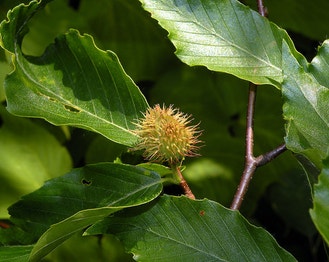
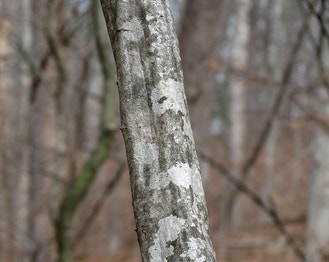
American Beech
Fagus grandifolia
+11
May attract
Chickadees & Titmice
Wrens
Cardinals & Grosbeaks
Finches
Mockingbirds & Thrashers
Provides
Butterflies
Caterpillars
Fruit
Nuts
SHRUBS
American Hazelnut
Corylus americana
+11
May attract
Orioles
Waxwings
Vireos
Thrushes
Wrens
Provides
Butterflies
Caterpillars
Fruit
Nuts
EVERGREEN / SHRUBS / TREES
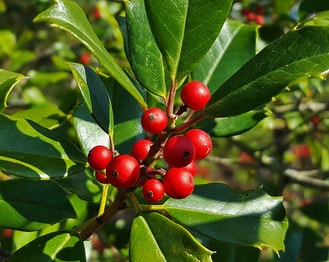
American Holly
Ilex opaca
+10
May attract
Nuthatches
Sparrows
Crows & Jays
Woodpeckers
Orioles
Provides
Butterflies
Caterpillars
Fruit
TREES
American Hornbeam
Carpinus caroliniana
+11
May attract
Sparrows
Mockingbirds & Thrashers
Orioles
Vireos
Waxwings
Provides
Butterflies
Caterpillars
Fruit
Nuts
SHRUBS / TREES
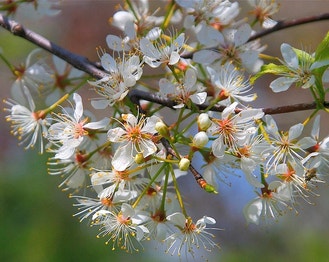
American Plum
Prunus americana
+10
May attract
Crows & Jays
Vireos
Wrens
Nuthatches
Mockingbirds & Thrashers
Provides
Butterflies
Caterpillars
Fruit
My Saved Plants: 0


So You Have Your List of Native Plants. Now What?
Doing a little prep and research before you go to the nursery will save headaches and ensure you build the best habitat possible.

Why Native Plants Are Better for Birds and People
Bird-friendly landscaping provides food, saves water, and fights climate change.

Bird-Friendly Plants FAQ
Got questions? We have answers.
