

2026 Audubon in Action and Audubon Collaborative Grant Projects
Learn how Audubon chapters across the United States are working to advance Audubon’s Flight Plan.
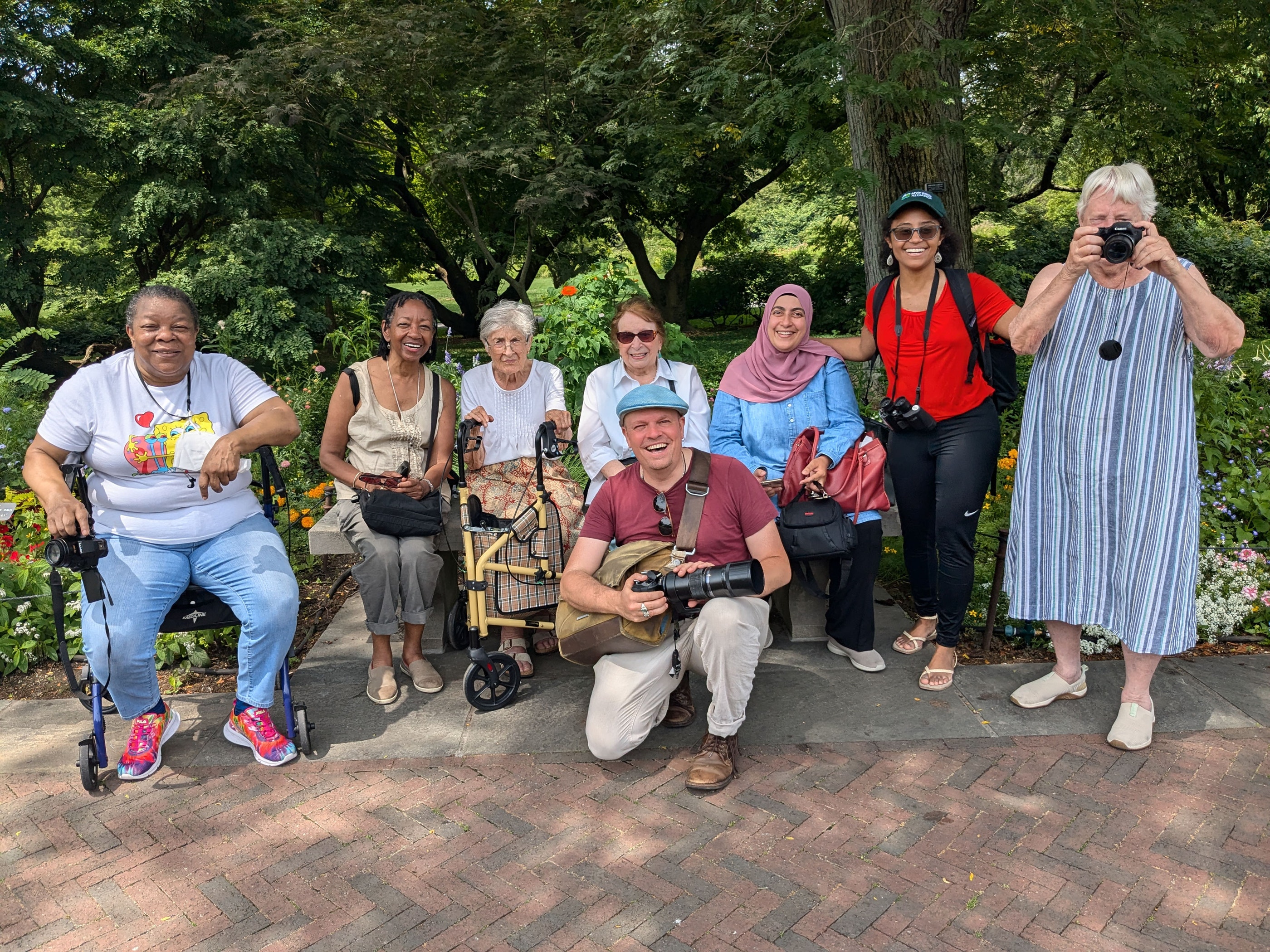
Each year, Audubon seeks to financially support campus and community chapters by providing grants for affiliated chapters working on conservation projects. These grants are one of many ways that Audubon invests in the work of chapters and prioritizes work that is rooted in advancing the shared goals outlined in Flight Plan. Currently, these grants take two forms: Audubon in Action Grants and Collaborative Grants.
This cycle, Audubon is proud to award grant funding to 68 different campus and community chapter projects. Projects from 28 states, Guam, and the District of Columbia were represented among the award recipients.
Of the funded Audubon in Action and Collaborative Grant projects:
- 68% support the Community Building milestone
- 24% support the Habitat Conservation milestone
- 6% support the Climate Action milestone
- 2% support the Policy milestone
Audubon in Action Grant Projects
Maricopa Bird Alliance – Phoenix, Arizona
Preserving and Reviving an Urban Flocking Hotspot
Maricopa Bird Alliance aims to revive the ecosystem of a landscape revered by ancient peoples for thousands of years. To enrich the area with native flora, arthropods, avifauna, and other wildlife, a yearlong campaign of community events and educational workshops will permit native planting, water source creation, invasive plant removal, trash removal, and habitat creation. These efforts will restore a semblance of the original landscape with successes measured by community engagement and increasing biodiversity, with particular attention and surveys for resident and migratory birds.
Northern Arizona Audubon Society – Sedona, Arizona
Wings Across Borders: Tracking Wildlife, Connecting Cultures: Phase II Student Motus Grants
This Northern Arizona Audubon Society program will engage students from Mexico, Arizona, and Canada as storytellers, following birds that migrate through northern Arizona and contributing to cross-hemispheric conservation awareness. Northern Arizona Audubon Society will expand its Motus program through storytelling, providing hands-on training and mentorship to engage youth in community science and fostering international connections from Mexico to Canada.
Golden Gate Bird Alliance – Berkeley, California
Birding for Everyone Fellowship
The mission of the Birding for Everyone Fellowship is to develop and empower the next generation of Black, Indigenous, and people of color conservation leaders through a full year of free birding and ecology classes as well as conservation and advocacy opportunities offered by Golden Gate Bird Alliance in collaboration with the California Academy of Sciences and California Audubon.
San Diego Bird Alliance – San Diego, California
Sharing Our Shores: Mission Bay
This is a multi-tiered program that accomplishes roughly five acres of habitat restoration while teaching third and fourth-grade students about local migratory and coastal birds in the native habitat of Mission Bay, San Diego. Through in-class lessons and restoration events in coastal habitats, students will learn about and take action to improve nesting habitat for the endangered California Least Tern and Light-footed Ridgway's Rail and will explore the history and ongoing Kumeyaay connection to Mission Bay’s flora and fauna. The students will also create conservation-themed signs that will be hung around the bay and seen by millions of annual visitors.
Eastern Sierra Audubon Society – Bishop, California
Documenting Breeding Bird Population Recovery Following Habitat Restoration in an Alkali Wetland
Eastern Sierra Audubon Society will monitor ecological recovery on the eastern shore of Mono Lake, California, an alkali wetland, following the federal removal of an invasive wild horse herd. Through this grant, the chapter will assess the rebound of breeding bird populations and vegetation composition to quantify the wetland’s restoration trajectory.
Plumas Audubon Society – Quincy, California
Aechmophorus Grebe Monitoring & Advocacy
The Aechmophorus Grebe Monitoring & Advocacy project will resume monitoring and conservation efforts for Western and Clark’s grebes at Antelope Lake and Lake Davis, complementing ongoing work at Lake Almanor and Eagle Lake. The project combines monitoring, data-driven advocacy, and public outreach (including the development of a short documentary film) to advocate for the protection of these priority species and their habitats.
Claflin University - Friends of the Earth – Orangeburg, South Carolina
Building Bridges and Creating Change
Friends of the Earth aims to build and strengthen community, bring awareness to conservation, and encourage student participation. Programming will include an Earth Day celebration, state advocacy work, collaboration with conservation partners in the Bahamas, a Historically Black Colleges and Universities (HBCU) campus chapter retreat, and general campus engagement.
College of Marin - Audubon Nature Conservation Club – Kentfield, California
Habitat Restoration for Bird and Wildlife Conservation
This project will create a permanent seasonal wetland pond and manage surface water flows to address high tadpole mortality caused by premature puddle drying. By stabilizing breeding habitat, the project will establish a reliable, high-protein food source for local and Pacific Flyway species, while also preventing deep gully erosion and significantly increasing groundwater recharge to strengthen climate resilience. Integrated into four science courses as a living outdoor classroom, Audubon Nature Conservation Club members will lead long-term, inclusive stewardship efforts. These include Indigenous landscape tours in partnership with the Coast Miwok Tribal Council, installation of multilingual interpretive signage, design of accessible trails, systematic ecological monitoring for the data archive, native plant installations, and trail maintenance, supported by substantial in-kind labor from conservation partners.
South Florida Audubon Society – Tamarac, Florida
South Florida Tri-City Least Tern & Dune Resilience Initiative
This initiative will restore, enhance, and protect essential nesting habitat for the state-threatened Least Tern across the urban shorelines of Deerfield Beach, Lauderdale-by-the-Sea, and Pompano Beach. Through targeted dune enhancement, clearly designated colony protection zones, standardized monitoring, and a coordinated community Shorebird Steward Program, the project will reduce disturbance, strengthen climate-resilient dune systems, and measurably increase Least Tern nesting success across this vulnerable stretch of South Florida coastline.
Duval Audubon Society – Jacksonville, Florida
Safe Flight Jacksonville
The City of Jacksonville, in partnership with Lights Out Northeast Florida, embarks on a multi-year initiative to reduce bird–window strike mortality by retrofitting three city-owned buildings with bird-friendly visual markers. Phase 1 will focus on the city hall and main library and will significantly reduce avian collisions in downtown Jacksonville. The project will also include public outreach and community events tied to Earth Day and World Migratory Bird Day. Expected outcomes include reduced bird mortality, increased public awareness of urban wildlife conservation, and a scalable model that supports future citywide retrofits.
West Volusia Audubon Society – DeLand, Florida
Community Resilience, Bird Strike Prevention, and Student Engagement
Project partners, including the West Volusia Audubon Society, Stetson University’s Institute for Water and Environmental Resilience, Stetson Audubon, and the Dr. Joyce M. Cusack Resource Center, will collaboratively organize at least two dynamic climate resilience workshops in the impacted community of Spring Hill, DeLand. Project partners will also install “Phase 2” bird-safe window markers on the remaining untreated, highly reflective windows of the Sandra Stetson Aquatic Center to address bird strikes, and will also facilitate at least three bird stewardship workshops for students and the public, create a final project video about project outcomes, work with the City of DeLand on bird strike prevention measures in critical areas and model ordinance options, and install educational interpretive signage at the aquatic center.
Hawai’i Audubon Society – Honolulu, Hawaii
Hawaiʻi Bird Crisis Fund: Statewide Emergency Response Coordination Network
The Hawaiʻi Bird Crisis Fund Emergency Response Network will strengthen the Hawaiʻi Audubon Society’s role as a rapid-response conservation coordinator by providing timely emergency support to partner organizations when disruptions in federal funding threaten essential bird conservation work. The project will formalize rapid-response procedures, improve statewide coordination among conservation partners, and ensure critical activities—such as predator control, nest monitoring, translocation efforts, and habitat restoration—can continue without interruption. In addition to stabilizing on-the-ground conservation, the project will document real-world impacts of funding disruptions to inform advocacy for more reliable federal conservation support and establish a replicable emergency response model for Audubon chapters nationwide.
Marianas Audubon Society – Tamunung, Guam
Protecting the only wild population of Guam Rail through community-led invasive brown tree snake eradication
Marianas Audubon Society will continue supporting community-led efforts to remove invasive brown tree snakes from Islan Dåno' (Cocos Island) to protect the only wild population of the critically endangered Ko'ko' (Guam Rail) and other unique native wildlife. The chapter will organize weekly boat trips to Islan Dåno', allowing community volunteers to join brown tree snake removal efforts and accelerate the eradication of the invasive species from the island to restore habitat.
Chicago Bird Alliance – Chicago, Illinois
Great Lakes Shorebird Outreach Program
Chicago Bird Alliance will deploy a summer intern at Montrose Beach to engage visitors in conversations about Piping Plovers, habitat protection, and Share the Shore practices, with a particular focus on responsible dog-owner behavior. The program will protect habitat for federally endangered Piping Plovers and other migratory shorebirds, while creating pathways from casual beach encounters to long-term involvement in bird conservation through follow-up outreach, volunteer opportunities, birding outings, and other community-building activities.
Lake County Audubon Society – Libertyville, Illinois
Birds, Belonging & Lake County: A Community Mural Initiative for Bird-Friendly Cities
This two-site public art and conservation engagement initiative will launch in Waukegan and later expand to Lake Forest. The project will feature the design and installation of two large-scale murals highlighting endangered, threatened, and declining bird species. These murals will serve as focal points for youth leadership development, conservation education, Bird City engagement, birdscaping outreach, and coordinated partnerships with schools and municipalities across Lake County.
Dunes-Calumet Audubon Society – Wheeler, Indiana
Growing Community Engagement Through Plants for Birds
At select locations in Hammond, Indiana, this project will work with two nonprofit community organizations to connect neighborhood residents and community partners with opportunities to take action for birds and become Audubon members. Activities will include planting a native plant demonstration garden, hosting hands-on workshops to create native plant container gardens, and collaborating with residents and partners to plan additional bird-friendly activities.
Howard University - The Howard University Green Coalition – Washington, D.C.
HBCU Campus Retreat Initiative
This grant will allow several Howard students to attend the HBCU (Historically Black Colleges and Universities) Campus Retreat Initiative. The HBCU Campus Retreat initiative will bring HBCU students together for a weekend immersive outdoor birding experience. Through collaboration among multiple HBCUs, the program will deepen students’ connections to nature while fostering community building and collective engagement in a large-scale conservation project.
Wachiska Audubon Society – Lincoln, Nebraska
Prairie Pines Buffer Plan
Wachiska Audubon Society’s goal is to develop a strategic master plan for the areas adjoining the 145-acre Prairie Pines Nature Preserve, providing a clear framework for conservation, land management, and sustainable use.
South Shore Audubon Society – Freeport, New York
Black Skimmer Tracking Project
South Shore Audubon Society will place GPS tags on Black Skimmers within a large local beach-nesting colony to determine where they go, why they return, and what makes their nests successful while they share the shore with the beach-loving public. They also aim to band 100-200 skimmer chicks each year and collect fecal samples to study their diets.
NYC Bird Alliance – New York, New York
NYCHA in Nature
NYC Bird Alliance will expand the New York City Housing Authority (NYCHA) in Nature program, partnering with New York City public housing residents to provide free nature and conservation activities. Building on lessons from the two-year pilot, the chapter will increase outreach, offer regular programming in successful communities, and continue cultivating relationships in additional NYCHA sites, with the ultimate goal of seeding programs and engaging residents in birds and environmental advocacy.
San Diego City College - Bird Alliance at City – San Diego, California
Environmental Justice, Plastic Reduction, and Birding Education
Bird Life will continue to prioritize the annual Environmental Justice Summit (EJS), collaborating with other campus chapters on Earth Week events, and constructing a Vaux’s Swift Chimney next to the elementary school on the San Diego City College campus. The chapter aims to expand these projects by funding cross-border speakers for the EJS, creating a Plants for Birds Garden around the chimney, and developing a ‘zine and educational birding materials for elementary students, helping them learn about migratory birds and celebrate their journeys through the Bird Migration Explorer.
Bird Alliance of Oregon – Portland, Oregon
Community Voices for Conservation: BIPOC Engagement Project
Bird Alliance of Oregon will engage birders of color through the chapter’s BigJoy affinity outings and partnerships with People of Color Outdoors (POCO) and Outdoor Afro, leading a series of free birding outings that foster joy, belonging, and deeper connections to nature, while engaging participants in conservation issues affecting their communities. Through these walks, embedded advocacy moments, and Black, Indigenous, and people of color-centered advocacy trainings, they expect to engage participants, build pathways into conservation leadership, and strengthen community action on statewide habitat and environmental protections.
Union College - Union College Audubon – Schenectady, New York
Revitalization: Reducing bird-window collisions at Union College and re-establishing our Audubon chapter within the student body
This project will reduce bird-window collisions at Union College by installing FeatherFriendly decals and posting educational signage, while engaging students and the local community through art workshops, campus events with Silent Wings, and bird banding at the Albany Pine Bush. Union College Audubon will also collaborate with local Audubon chapters, showcase Audubon prints, attend Raptor Fest, and share their work through local media—raising awareness, promoting chapter growth, and strengthening conservation partnerships.
University of California - Los Angeles - Bruin Birding Club – Los Angeles, California
Community Outreach with the Bruin Birding Club
This project seeks to strengthen communities across Los Angeles County by equipping partners with resources to support and expand outreach. Funding for field trips will allow the club to offer no-cost opportunities for participants to experience nature and birding beyond campus, while providing binoculars for the botanical garden’s educational programs, which will give thousands of children each year their first hands-on experience with birding.
University of California, San Diego - Bird Club at UC San Diego – San Diego, California
Fledge to the Future
Bird Club at UC San Diego plans to expand student access to ornithology through the development of beginner-friendly experiences, such as campus birding, community service opportunities, and birding at off-campus conservation spaces. This project will also improve the accessibility of our long-term research opportunities: BirdSafe, a bird collision survey program, and Seabird Monitoring, a population count survey program. The goal is to lay the foundation for these opportunities by providing essential birding equipment for student use, supporting training for new program leaders, and covering expenses related to student outreach.
University of North Carolina at Chapel Hill - The Avian Society – Chapel Hill, North Carolina
Bird-Friendly UNC: Chimney Swift Habitat-building and Raising Awareness for Bird-Window Collision
This project will build two chimney swift towers, conduct habitat surveys, and host educational events in collaboration with the New Hope Bird Alliance on the UNC campus. The project aims to improve bird habitats, raise awareness of bird-window collisions, and actively engage students in campus bird conservation efforts.
Northern Virginia Bird Alliance – Reston, Virginia
Next Gen Conservationists: Building Young Adult Leadership Through Stretch Our Parks
This project plans to energize Northern Virginia Bird Alliance’s Stretch Our Parks initiative by enabling the existing young adult membership to get involved directly as volunteers. Volunteers will work to restore at least three park sites in northern Virginia and will gain skills in hands-on habitat restoration, learn to organize community workdays, lead bird outings, and advocate to local decision-makers on behalf of bird-friendly park management, climate action, and sustainability.
Xavier University of Louisiana - XULA Geaux Green – New Orleans, Louisiana
XGG Sustainability Leadership Collective: Birds, Bayous & Belonging
This program develops student conservation leadership, expands habitat and community science, advances climate action and advocacy, and fosters community through storytelling. Students serve as Sanctuary Stewards, leading projects such as habitat restoration, native planting, bird monitoring, and climate education. Key events include the Birds, Bayous & Belonging camping retreat, the Aviary Art & Climate Storytelling Festival, Earth Week activities, and community garden days. These events will engage students and local residents in hands-on conservation, environmental advocacy, and creative climate-focused programming.
Birds Connect Seattle – Seattle, Washington
“Understory” Lunch and Learn Advocacy Training Series
To build grassroots advocacy power for urban tree canopy and equity, Birds Connect Seattle will develop and launch "Understory", a series of eight 30-minute virtual workshops providing practical skills and knowledge for influencing urban forest policy, navigating public processes, and amplifying community voices. Sessions will be held monthly, combining foundational knowledge about urban forestry with practical advocacy skills like testifying at hearings and engaging decision-makers.
Collaborative Grants
Pasadena Audubon Society in Pasadena, California, created the Birding at Recess program to inspire students in Title I elementary schools to see birding as a fun and engaging activity rather than schoolwork. Already successfully launched in several Pasadena Unified schools, the program will continue indefinitely, empowering impacted communities to discover their inner naturalist.
Tulare Kings Audubon Society in Visalia, California, aims to strengthen community engagement and deepen connections with Audubon. These funds will support enhanced monthly programming, updated promotional materials, and a stronger social media presence.
Ventura Audubon Society in Ventura, California: The Dr. Christopher Dean Smith Memorial Garden will create a volunteer-supported native habitat and outdoor learning space through a partnership between the Organic Garden Club of Ventura County and Ventura Audubon Society. The project will install infrastructure, restore habitat with native plants, and offer community education and bird-monitoring activities, fostering long-term community engagement and a model for local conservation.
Weminuche Audubon Society in Pagosa Springs, Colorado: Trained volunteer naturalists from Pagosa Wetland Partners, a committee of the chapter, lead seasonal wetland tours to educate and inspire the community to protect wetland and riparian habitats. Grant funds will enhance volunteer effectiveness by providing manuals, support materials, and training opportunities ahead of the summer tour season.
Arkansas Valley Audubon Society in Pueblo, Colorado, will train four youth from underserved areas of Pueblo to become bird walk leaders through a six-week program. The program will build birding skills, leadership, and community engagement, aiming to lead eight bird walks and foster appreciation for urban birds.
Mattabeseck Audubon Society in Middletown, Connecticut, will support artists in residence at I-Park in developing a lasting interest in birding, extending their initial residency bird walks into ongoing personal engagement. Binoculars and field guides provided through this grant will enable participants to continue birding during their residencies.
Menunkatuck Audubon Society in Guilford, Connecticut, will engage the community to remove invasive plants and restore the landscape by planting native shrubs, small trees, and perennials along the entry driveway of West Rock Nature Center, the oldest urban nature center in the United States. This center recently reopened after extensive renovations following twenty years of closure and neglect.
Hernando Audubon Society in Brooksville, Florida: The Welcome Back Songbirds Festival will be held at the Chinsegut Conservation Center. Hosted collaboratively by Hernando Audubon Society and Citrus County Audubon Society with Chinsegut staff, the festival will feature bird walks, presentations, and workshops to engage the community and attract new members and volunteers.
Citrus County Audubon Society in Lecanto, Florida, will introduce public school students in a diverse, high-poverty district to the art and practice of nature journaling. Students will receive all necessary materials and learn to observe the natural world through sketches, notes, and data; ask thoughtful questions; and make meaningful connections with their environment.
Stetson Audubon Club at Stetson University in DeLand, Florida, will establish a binocular library at the Sandra Stetson Aquatic Center, complementing the existing library at the Gillespie Museum. This second set of binoculars will increase student participation in bird walks, support student-led excursions, and expand public access to birding events for years to come.
Southeast Volusia Audubon Society in New Smyrna Beach, Florida, plans to build the first Chimney Swift demonstration tower in Volusia County. This tower will provide resting and breeding habitat for swifts, while inspiring the construction of additional towers. Partnering with local schools, service organizations, and the City of New Smyrna, the tower will be built in a public park, offering opportunities for ongoing public engagement.
Four Rivers Audubon Society in Fort White, Florida, will host a half-day workshop designed to turn existing gardeners into native plant enthusiasts and cultivate new leaders and advocates for Audubon. Partnering with organizations like the Florida Wildflower Foundation, University of Florida Extension Master Gardeners, the Columbia County Library, and the Lake City Garden Club, the chapter will recruit participants to promote native plants and help support the newly renovated native plant garden at Alligator Lake County Park.
Tropical Audubon Society in Miami, Florida, will host Bird Day, a free, family-friendly annual event at the chapter’s Steinberg Nature Center, where children learn about South Florida birds and how to protect the natural world. Scheduled for just before the Great Backyard Bird Count, the event will feature around 10 community partners, providing an immersive experience and introducing participants to multiple bird-focused organizations and missions.
Camden County Audubon Society in St. Marys, Georgia, will install designated fishing line recycling bins at key fishing locations to address the problem of discarded fishing line in its coastal Georgia community. The project will build and place eight bins with informational signage to reduce environmental hazards and raise awareness of the dangers discarded line poses to local birds.
Coastal Georgia Audubon in St. Simons Island, Georgia, will provide equipment and educational materials to local beginner birders through a binocular loan program. Six sets of binoculars, field guides, and educational materials would be provided for students to check out through the local college library system.
Central Kentucky Audubon Society in Lexington, Kentucky, will install a bird-friendly window treatment on the windows of the Raven Run Nature Center in Lexington, Kentucky. The nature center will then serve as an ongoing demonstration and information source about the importance of bird-friendly building practices.
Laughing Whitefish Audubon Society in Negaunee, Michigan: Introduction to Birding is a collaboration between the chapter and Citizens for a Safe and Clean Lake Superior, aimed at introducing newcomers to the joys of birding. The ongoing program will use binoculars and field guides on bird walks to engage participants and highlight the importance of bird life in the ecological integrity of the Lake Superior watershed.
Detroit Bird Alliance in Detroit, Michigan, will celebrate Detroit’s green spaces and vibrant bird habitat. The chapter will host The Great Detroit Bird Off to identify which of the city’s four largest parks has the greatest number of bird species. This community science initiative will engage neighborhoods during peak migration season and teach participants to use digital tools like eBird and Audubon Migration Explorer.
Prairie Lakes Audubon Chapter in Alexandria, Minnesota, will replace worn-out bluebird houses with new ones, built over the winter for spring installation. This ongoing effort continues more than eight years of bluebird house maintenance at local state parks.
Austin Audubon Society in Austin, Minnesota, will provide high-quality binoculars for elementary school classes visiting the Hormel Nature Center. This one-time purchase will support birding and conservation education for a diverse population of children and adults for many years to come.
Zumbro Valley Audubon Society in Rochester, Minnesota, will purchase supplies and equipment to grow and plant native plants, trees, and shrubs, creating habitat for birds and other wildlife. Most supplies will be loaned to chapter members, community groups, and local residents, while some plants will be grown directly by board members.
The Ozark Rivers Audubon Society in Rolla, Missouri, will co-host the 2026 Fall Nature Festival with the Meramec Hills Master Naturalist Chapter and the Rolla Outdoor Collaborative School. This free community event will feature more than 20 exhibitor tables, native plant vendors, hummingbird banding demonstrations, guided hikes, and activities for children.
Ozark Gateway Audubon Society in Joplin, Missouri, in partnership with Wildcat Glades Nature Group, plans to reestablish and maintain Prothonotary Warbler nest boxes along Wildcat Park and nearby restoration areas after past flood damage and wear. The project will include proper placement and predator protection, ongoing monitoring, and public education through an informational plaque to promote awareness of these birds and their habitat.
High Country Audubon in Boone, North Carolina, is partnering with Watauga County, the Watauga Arts Council, and the Town of Boone to create a Birding Arts Trail along a local greenway. The trail will feature artwork by local artists depicting birds affected by climate change, accompanied by educational QR codes and text, with installations beginning in 2026 and additional pieces added annually.
Bergen County Audubon Society in Paramus, New Jersey, will host a Native American Day at the chapter’s Native Plant/Butterfly Garden, featuring representatives from the Ramapough-Lenni Lenape Nation to share the tribe’s cultural connection to local birds. Participants will also help plant native species that support birds and pollinators, with the event open and free to the community.
North Shore Audubon Society in Port Washington, New York, will lead large volunteer groups in removing invasive non-native bushes and saplings from Nassau County preserves. This effort will target species like burning bush and Norway maple.
Genesee Valley Audubon Society in Rochester, New York, will provide stipends to support student leaders from campus chapters in attending New York and Connecticut Council meetings. These funds will help students stay engaged with the council and benefit from scholarship-supported participation in chapter events.
Southern Adirondack Audubon Society in Saratoga Springs, New York, plans to offer small oak trees with educational signage to libraries and other community organizations. The goal of this project is to educate the public about the benefits of oak trees as habitat, food source, and shelter for wildlife.
North Fork Audubon Society in Greenport, New York, will continue its habitat restoration efforts at the 55-acre County Park. Board members and community volunteers will research, plan, and plant native plants and trees to enhance bird feeding habitat.
Delaware-Otsego Audubon Society in Oneota, New York, in the Bobolinks & Bioregions program Phase I, will gather baseline data, build partnerships, and assess grassland bird habitat needs in the Delaware-Otsego region and a matched site in South America. It will identify property owners and conservation priorities to guide targeted actions in Phase II.
Black River Audubon Society in Elyria, Ohio, and the R.G. Jones Birding Club will give urban middle school students hands-on birding and conservation experiences. The chapter provides binoculars and transportation to the Biggest Week in American Birding, helping students develop identification skills, field experience, and connections to the broader birding community.
Columbus Audubon, in Columbus, Ohio: Storybook Trail at Sawmill Wetlands will feature four seasonal stories about cavity-nesting birds, flying squirrels, bumblebees, and bats, presented through panels, interactive displays, and QR-linked videos. The project will engage families in habitat conservation, community building, and native species awareness, with collaborative grant funds supporting additional educational materials and outreach.
Tulsa Audubon Society in Tulsa, Oklahoma, plans to update the Flycatcher Trail Living Classroom, a bird-friendly outdoor space used regularly by local students. After 12 years, essential infrastructure like fencing, water pumps, and hazardous trees requires replacement to maintain a safe and engaging learning environment.
Friends of Grand Lake Audubon Society in Grand Lake, Oklahoma, who just reached their one-year mark, will use grant funding to support ongoing community outreach, education, membership growth, and support for the Young Birders Club.
Lehigh Valley Audubon Society in Emmaus, Pennsylvania, will expand its Birding Backpacks program to more libraries within its region, helping newcomers and those with limited resources connect with nature and learn to care for local birds and their habitats.
Prairie Hills Audubon Society in Black Hawk, South Dakota, will host multiple chalk art events across western South Dakota, including tribal communities, schools, museums, and recreation centers, providing free chalk and engaging children, families, and educators in celebrating wildlife and endangered species. These events will promote community engagement and pathways for ongoing involvement in endangered species conservation.
Tyler Audubon Society in Tyler, Texas, will build a bird and photography blind along an existing trail at Neches National Wildlife Refuge, providing accessible wildlife viewing for all visitors. Designed by an architect, this platform enhances the refuge and represents the chapter’s largest project to date, building on years of field trip experience.
Olympic Peninsula Audubon Society in Sequim, Washington: Project BirdSafe is an ongoing coordinated effort between the chapter and Peninsula College aimed at reducing bird collisions with campus windows. The project educates staff on Lights Out practices to minimize unnecessary nighttime lighting and marks windows to increase visibility for birds.
Potomac Valley Audubon Society in Shepherdstown, West Virginia, plans to develop a volunteer program, which will care for four gardens at chapter-managed preserves using training designed with local native plant experts. The program is intended as a long-term, self-sustaining initiative.
Silver State Wings and George Whittell Environmental Grant Awards
In addition to the Audubon in Action and Collaborative grants, we were also able to again offer the George Whittell Nevada Environmental Grant Award and the Silver State Wings Conservation Fund Grant Awards to our chapters in Nevada.
Silver State Wings Conservation Fund has awarded Red Rock Audubon Society in Las Vegas, Nevada, a collective $2,545 to fund the installation of bird-collision deterrent film at the Mt. Charleston Visitor Center and the purchase of youth binoculars for use in school field trips.
George Whittell Nevada Environmental Grant Award has awarded Red Rock Audubon Society in Las Vegas, Nevada, $9,000 to expand and continue the college campus initiative at the University of Nevada, Las Vegas; Nevada State University; and College of Southern Nevada through the Campuses Take Flight program.
We hope you will join us in congratulating all these chapters on their excellent work. We will share more on these projects soon and hope you will have a chance to hear directly from the chapters doing this great work in the near future.
